When people first start exploring a custom home project, one of the biggest questions is cost. But before you can understand cost properly, you need to understand the estimate itself.
If you have been asking what is included in a custom home build estimate, the answer is usually more detailed than most people expect. A good estimate is not just one number. It is a breakdown of what the builder is pricing, what assumptions are being made, and what parts of the project may still depend on future decisions.
For homeowners planning custom home building in Abbotsford, understanding the estimate early can help avoid confusion later and make builder comparisons much more accurate.
Why the estimate matters so much
A custom home build estimate sets the tone for the entire project. It helps define scope, expectations, allowances, and where flexibility may still exist.
Without a clear estimate, it becomes much harder to answer questions like:
- What is actually included?
- What is still undecided?
- What could affect the final price later?
- Are two builders pricing the same scope of work?
- Is the design level reflected properly in the estimate?
That is why an estimate should always be read as a project document, not just a price tag.
A custom home estimate usually starts with project scope
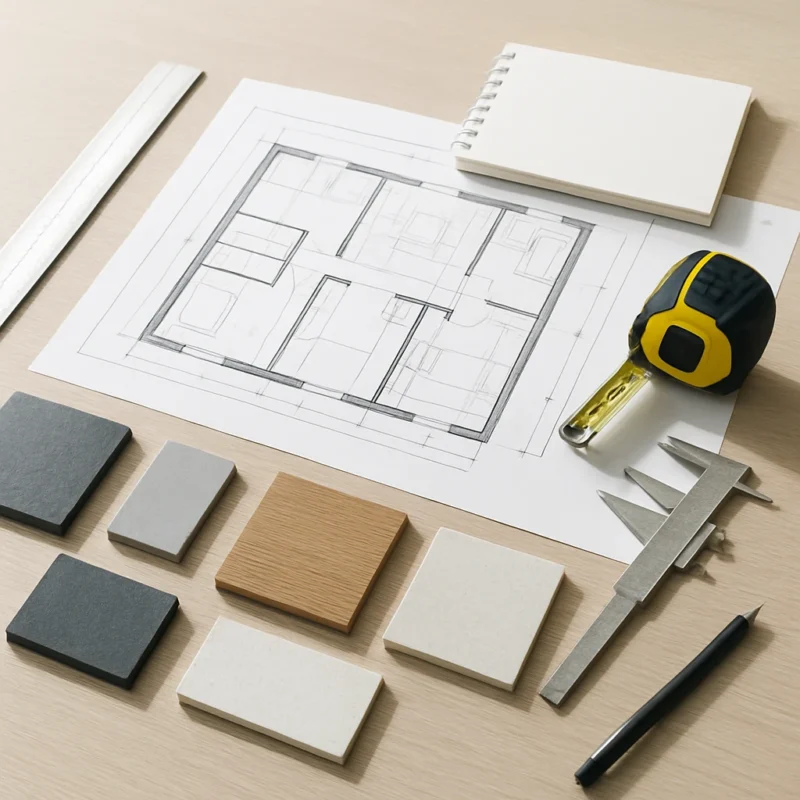
The first thing a builder is pricing is the scope of the build itself.
That generally includes details such as:
- the size of the home
- number of levels
- overall layout
- structural complexity
- site conditions
- design intent
- expected finish level
- included features and spaces
A more straightforward build will often price differently than a highly customized design with unique rooflines, complex detailing, or specialty rooms.
Core construction costs
Most custom home estimates include the primary construction components needed to build the home.
These often include:
- excavation and site preparation
- foundation work
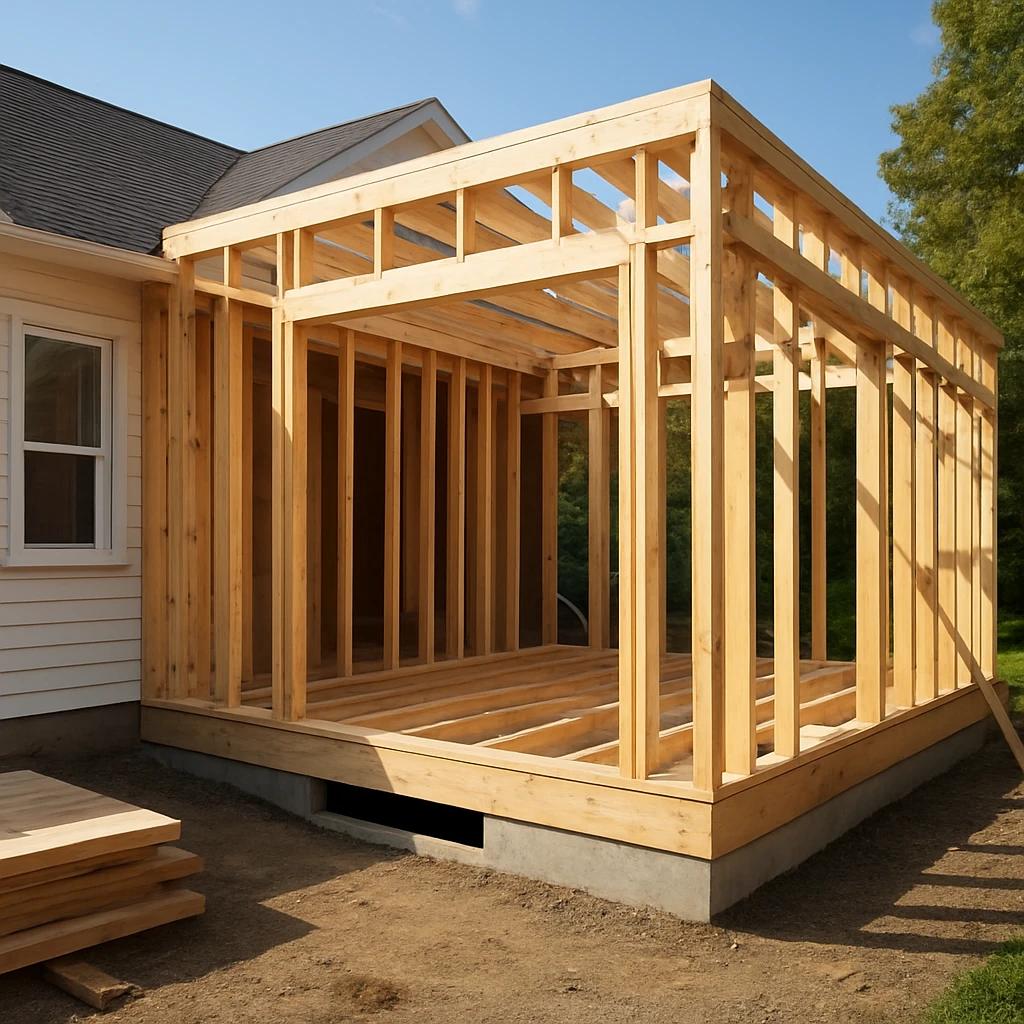
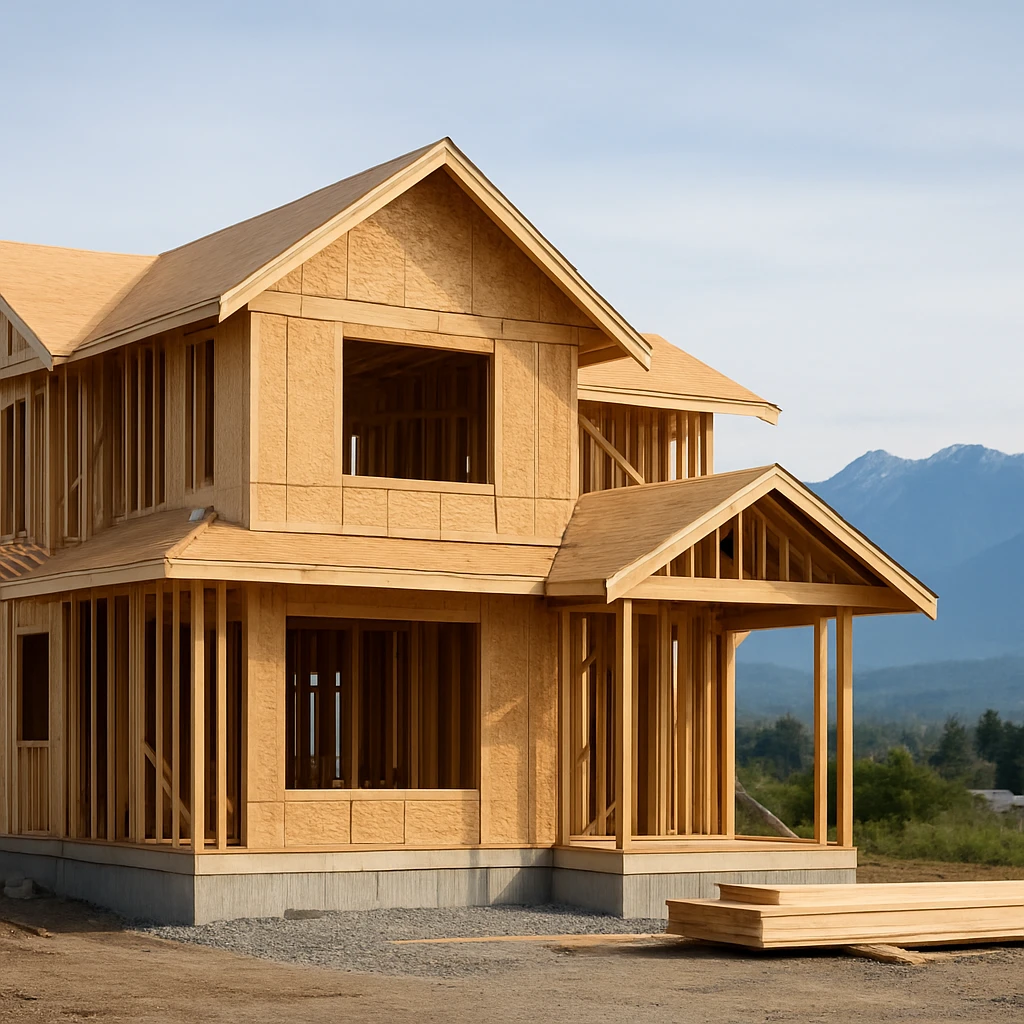
- framing
- roofing
- windows and exterior doors
- building envelope components
- plumbing
- electrical
- heating and cooling systems
- insulation
- drywall
- interior finishing
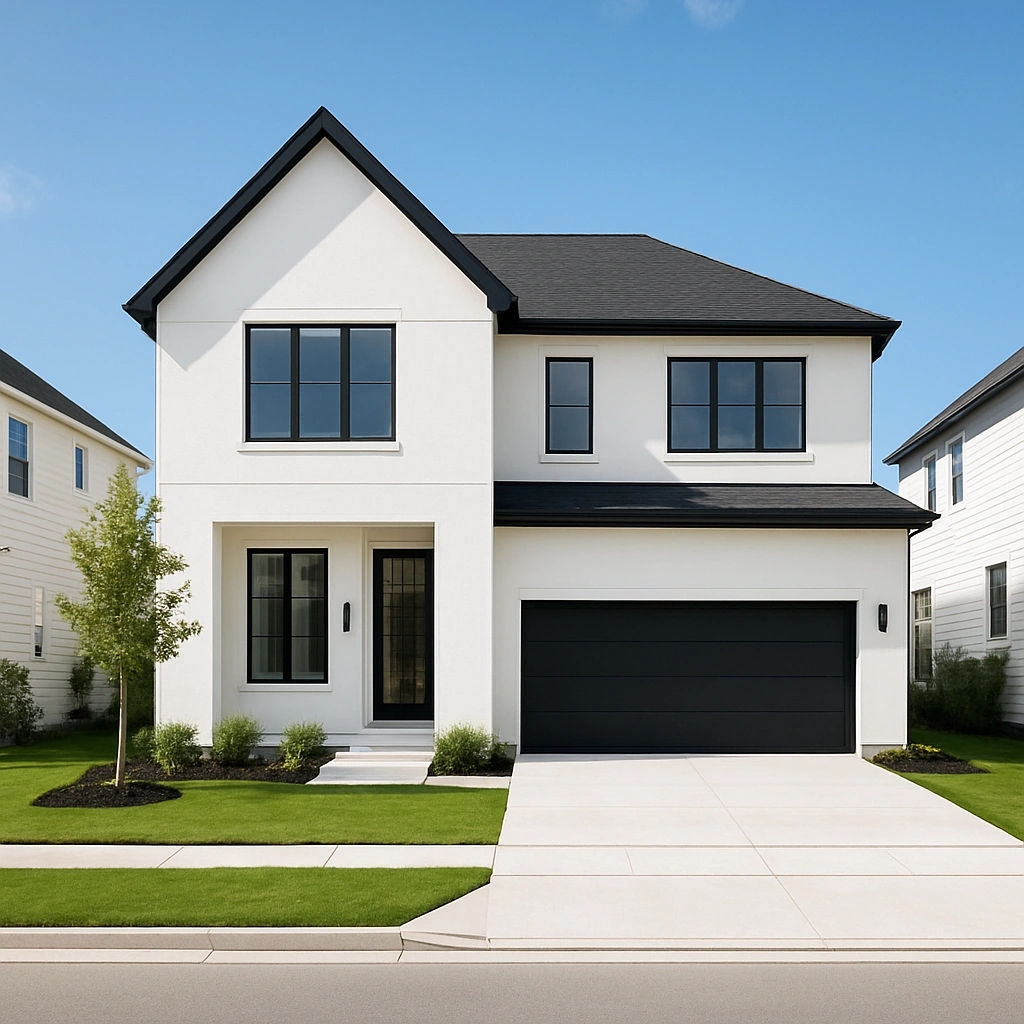
- exterior finishing
The exact level of detail may vary, but the estimate should show whether these items are fully included or still based on assumptions.
Site-specific factors
Site conditions can have a major effect on pricing. Two homes with the same floor plan can have very different estimates if the lots are different.
A build estimate may need to account for:
- slope or grade challenges
- access limitations
- soil conditions
- servicing requirements
- drainage work
- retaining needs
- demolition or clearing
- permit-related site requirements
This is one reason a builder familiar with custom home building can help identify issues that may not be obvious at first glance.
Allowances and selections
This is one of the most important parts of any custom estimate.
In many projects, some items are priced as allowances rather than exact final selections. That means the builder includes a budget amount for specific finishes or fixtures until the exact product is chosen.
Common allowance categories may include:
- flooring
- cabinetry
- countertops
- plumbing fixtures
- lighting
- tile
- appliances
- hardware
- paint upgrades
- specialty millwork
Allowances are normal, but they need to be understood clearly. A project can change significantly if the final selections end up above or below those allowance amounts.

Labour, coordination, and project management
A proper estimate is not only about materials. It also reflects the labour and coordination needed to complete the build successfully.
That can include:
- trade scheduling
- site supervision
- project management
- quality control
- timeline coordination
- inspections
- communication with consultants and trades
This part is easy to overlook, but it is a major part of what homeowners are really paying for in a custom project.
Permits and professional services
Depending on the project and how the estimate is structured, permit and consultant-related costs may be included, partially included, or shown separately.
These may involve:
- building permits
- engineering
- design support
- energy requirements
- consultant drawings
- survey-related work
The important thing is not whether every estimate handles these the same way. The important thing is knowing exactly how your estimate handles them.
What may not be fully included
A common mistake homeowners make is assuming every part of the project is included in the base estimate automatically.
In some cases, items may be excluded, optional, or still to be confirmed, such as:
- landscaping
- fencing
- premium appliances
- certain site upgrades
- custom built-ins
- specialty finishes
- changes after initial pricing
- upgraded materials beyond allowance ranges
That is why reading the exclusions and assumptions matters just as much as reading the included price.

Why two estimates can look very different
Not all builder estimates are prepared the same way. One estimate may look lower simply because it includes fewer details, lower allowances, or narrower assumptions.
When comparing estimates, ask:
- Are the same finishes being assumed?
- Are allowances similar?
- Is the scope equally detailed?
- Are exclusions clearly listed?
- Is site work treated the same way?
- Is project management included?
The better comparison is not just price versus price. It is scope versus scope.
What homeowners should ask before moving forward
Before accepting any estimate, make sure you understand:
- what is fully included
- what is an allowance
- what is excluded
- what could change the final price
- what decisions still need to be made
- what the next step is after estimate approval
A strong builder-client relationship starts with clarity. The goal is not just to get a number quickly. The goal is to understand what that number actually represents.
Why transparency matters
A custom home is one of the biggest investments many families will ever make. Clear estimates help avoid surprises, reduce misunderstandings, and make the whole process feel more manageable.
Looking at a builder’s past work can also help align expectations. Reviewing a showcase of completed projects can give you a better sense of style, finish level, and the type of work being delivered.
Start with the right questions
If you are in the early planning stage, the best thing you can do is ask better questions before the build begins. That usually leads to better decisions, more accurate budgeting, and a smoother construction experience overall.
Learning more about who we are can also help you understand how the builder approaches custom projects, communication, and craftsmanship.
Ready to talk about your project?
If you are planning a custom home and want a clearer understanding of scope, pricing, and what your estimate should actually include, the best next step is to start the conversation early. You can contact us to discuss your project and get a better sense of what a realistic custom home estimate may look like.
FAQ
What is usually included in a custom home build estimate?
A custom home estimate often includes core construction costs, site work assumptions, labour, project management, and allowances for finishes or fixtures.
Are appliances always included in a custom home estimate?
Not always. Some projects include appliance allowances, while others treat appliances as separate or client-supplied items.
What are allowances in a home build estimate?
Allowances are budget amounts set aside for selections that have not been finalized yet, such as tile, cabinetry, lighting, or plumbing fixtures.
Why can two builder estimates be so different?
Estimates may differ because of scope assumptions, finish levels, allowance amounts, exclusions, and site-related factors.
Should I choose the lowest estimate?
Not automatically. A lower estimate is only meaningful if the scope, quality level, and assumptions match what you actually want built.