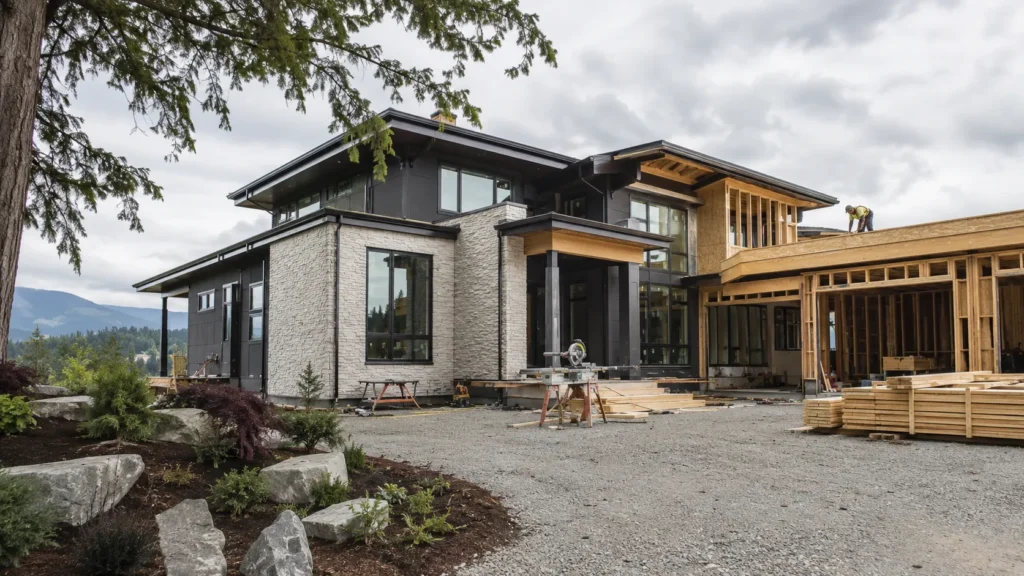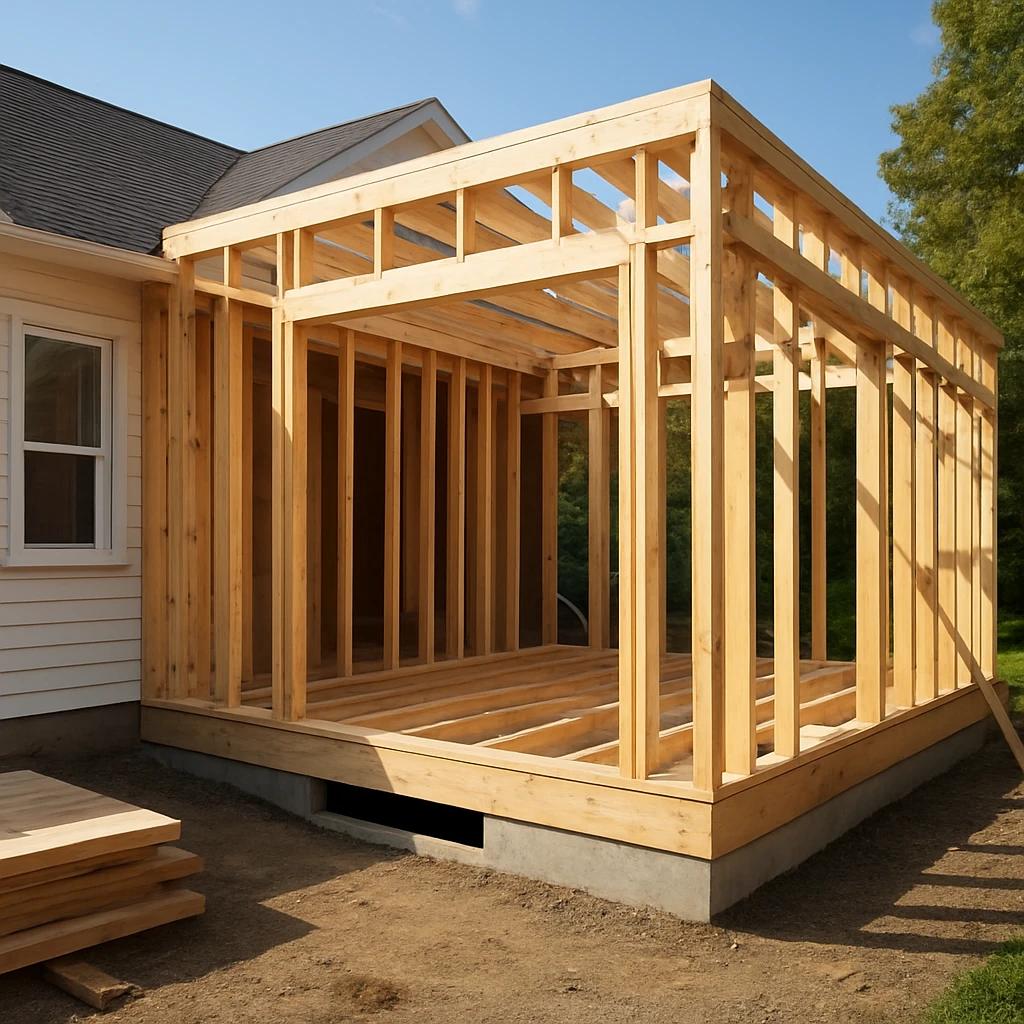
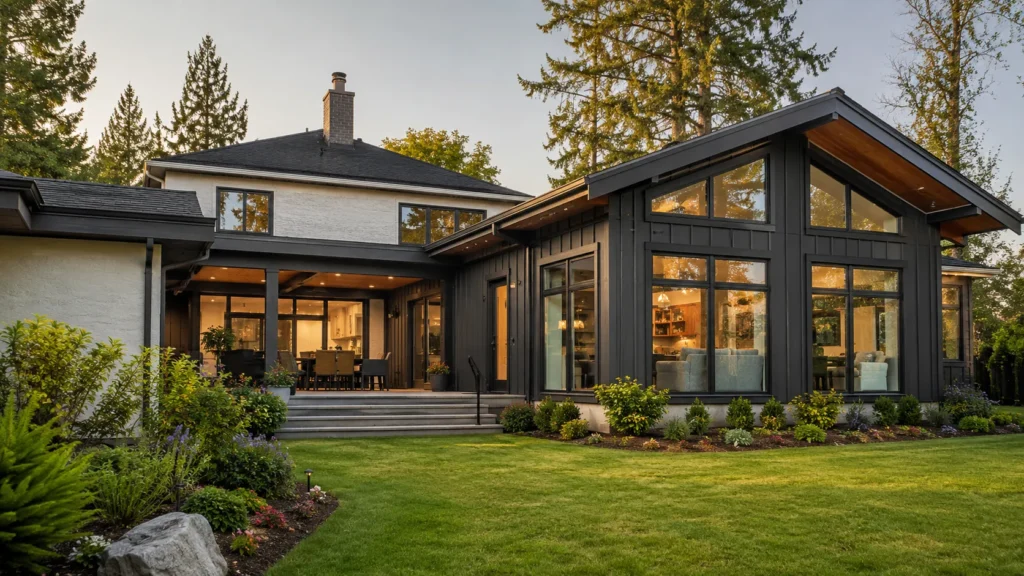
A home addition in Abbotsford is one of the most significant renovation investments a homeowner will make. Done well, it solves a real problem and adds genuine long-term value to the property. Done without proper planning, it creates months of disruption, budget surprises, and results that never quite match the original expectation.
Most planning mistakes happen before the first shovel goes in the ground. They happen in the conversations you did not have, the questions you did not ask, and the assumptions you made because nobody challenged them early enough.
This guide walks through 8 questions worth working through before you call a contractor, pull a permit, or finalize a budget. These are not design questions or material questions. They are planning questions, and the answers will determine whether your project goes well or becomes one of the additional stories nobody wants to tell.
QUESTION 1: IS AN ADDITION THE RIGHT SOLUTION, OR IS THERE A BETTER PATH?
This is the most important question on the list, and it is the one most people skip because they have already decided they want an addition before they fully explore the alternatives.
An addition makes the most sense when your home is genuinely too small, and the existing square footage cannot reasonably solve your problem. It is the right choice when you need a bedroom that the house simply does not have room for, when the kitchen footprint is too constrained to function properly, regardless of how it is organized, or when the family requires a private living space that cannot be created within the current floor plan.
An addition is not always the right answer when the real problem is that your existing space is poorly organized, under-lit, or outdated. A well-planned renovation of existing space can sometimes solve a problem that looked like a square footage problem but was actually a layout problem. In some homes, a basement renovation in Abbotsford can create the required living area without expanding the exterior footprint.
Before committing to an addition, ask your builder to honestly assess whether the existing footprint can be redesigned to address your goals. A good builder will tell you when renovation makes more sense than expansion, even if expansion is the larger project.
For a side-by-side comparison of when each approach makes more sense, see our home addition versus renovation guide for Abbotsford homeowners.
QUESTION 2: WHAT DOES MY LOT ACTUALLY ALLOW?
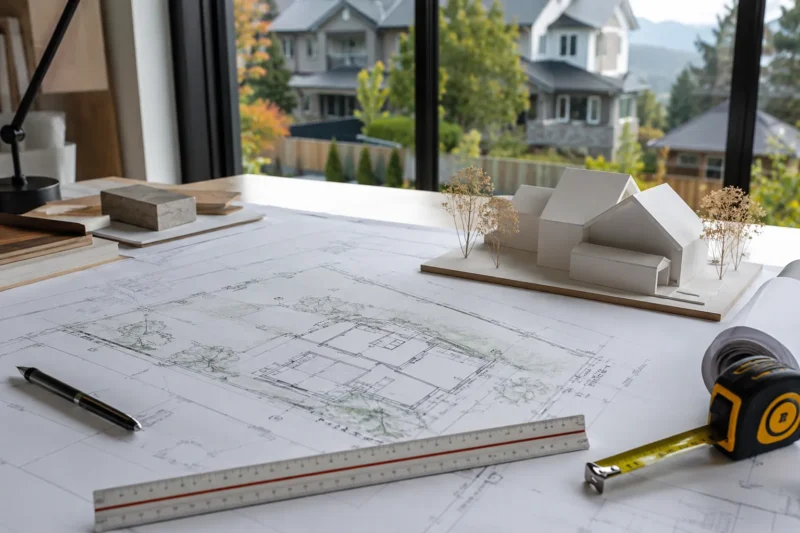
Property owners are often surprised to discover that their lot cannot accommodate the addition they had in mind. This is not because of anything unusual about their property. It is simply because zoning bylaws govern how much of a lot can be covered by structure and how close buildings can sit to property lines.
The City of Abbotsford Zoning Bylaw sets maximum lot coverage limits and minimum setback distances for each residential zone. Most single-family residential zones in Abbotsford limit total lot coverage to between 40 and 55 percent of the lot area. Minimum setback distances from side and rear lot lines typically run between 1.2 and 3 metres, depending on the zone.
Before you sketch out an addition concept or get a quote, confirm:
What is the zoning designation of your property?
What is the maximum lot coverage permitted in that zone?
How much coverage does your existing home already use?
What are the applicable setback distances?
Your builder can pull this information from the City of Abbotsford’s development bylaw mapping, or you can contact the City’s development planning department directly. Discovering a setback problem after design work has been done wastes time and money. Discovering it at the start changes the design parameters and keeps everything on track. If your long-term plan also includes custom shops and garages in Abbotsford, include those structures in the lot coverage review from the beginning.
QUESTION 3: WHAT IS MY REALISTIC BUDGET, INCLUDING EVERYTHING THAT NEVER GETS QUOTED?
The number in most addition quotes is the construction cost. It does not include several other real costs that you will pay regardless.
Design and engineering fees typically run 8 to 12 percent of the construction cost for a home addition in BC. If you engage an architect for a full service, it may be higher. These fees are owed whether or not the project proceeds, which is why the decision to proceed should come before engaging paid professional services.
Building permits for additions in Abbotsford are calculated as a percentage of the declared construction value. Expect to budget 0.5 to 1.5 percent of construction cost for permit fees. Development Cost Charges may apply if the addition creates a new dwelling unit.
Temporary accommodation is a cost many families forget to plan for. Single-storey additions at the rear of the home are usually manageable while the family stays in place. Second-storey additions involve a stage where the roof is removed, and the home is exposed, typically for 4 to 8 weeks, which is not liveable. Plan and budget for this before the project starts.
Landscaping and site restoration are often damaged or removed during construction. Budget to restore or improve the landscaping after the addition is complete, particularly around the foundation perimeter.
Furniture and finishing for the new space: a new bedroom requires a bed. A new family room requires seating. These costs are real and should be in the budget from the start.
A realistic total budget for a home addition is typically 25 to 35 percent higher than the quoted construction cost alone when all of the above are included.
QUESTION 4: HOW WILL THIS AFFECT MY DAILY LIFE AND FOR HOW LONG?
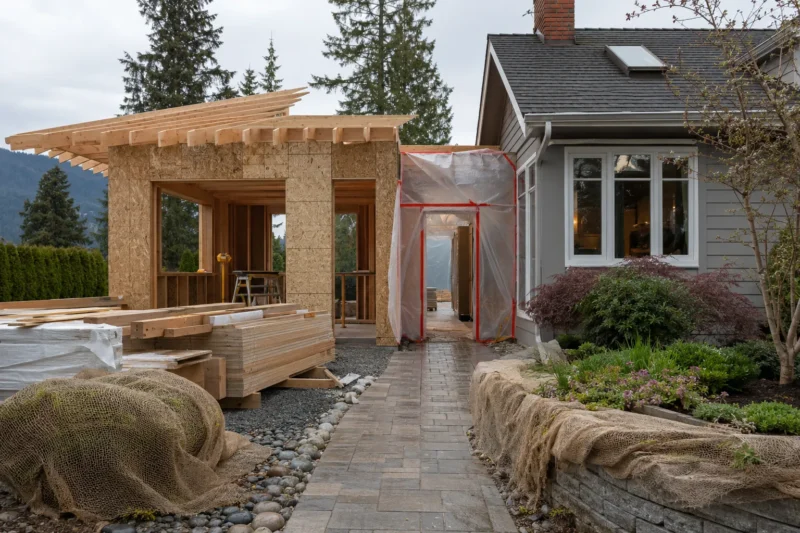
Home additions are disruptive. The level of disruption depends on the type and location of the addition, but all of them involve noise, dust, trades in and out of the home, and periods where areas of the house are inaccessible.
Questions to work through before you start:
Where will the family’s daily routines be most affected? Which rooms will be inaccessible and for how long?
Can you remain in the home throughout construction, or will there be a period where you need to be elsewhere?
Do you have children, elderly family members, or anyone with health sensitivities who will have difficulty managing construction disruption for an extended period?
How will pets be managed?
What will parking and driveway access look like during the project?
Thinking through these questions before the project starts means you can plan around them. Discovering them during construction means you are solving problems under stress while paying for delays.
QUESTION 5: HAVE I CONFIRMED THE STRUCTURAL CONDITION OF MY HOME?
Older homes in Abbotsford, particularly those built in the 1960s through 1980s, often have structural, electrical, or plumbing conditions that need to be addressed before or during an addition. Discovering these conditions after demolition begins adds cost that was not in the original quote and creates delays.
Common hidden conditions in older Abbotsford homes include:
Undersized electrical panels that cannot support the load of an addition with new circuits, heated floors, or a kitchen. Panel upgrades typically run $3,000 to $8,000 and are almost never included in additional quotes.
Galvanized or older plumbing that requires replacement when new plumbing connections are made to an addition.
Insulation and vapour barrier deficiencies in the existing home that become exposed during demolition and are required by code to be addressed before the walls are closed.
Foundation conditions that need reinforcement before a second-storey load can be applied.
A builder with decades of experience in Abbotsford homes will identify these risk areas during the preconstruction assessment. Asking your builder directly: what are the most likely hidden conditions in a home of this age and type, and how does your quote account for them, is a reasonable and important question to ask before signing anything.
QUESTION 6: WHAT IS THE PERMIT AND INSPECTION SEQUENCE?
All home additions in Abbotsford require a building permit from the City of Abbotsford Building Services. This is not optional and cannot be done after the fact without significant legal and financial consequences.
Beyond knowing that a permit is required, it is worth understanding that the permit process has a sequence of inspections that govern the construction schedule. Work cannot proceed past certain stages until an inspection is completed and signed off. These inspections include foundation, framing, electrical rough-in, plumbing rough-in, insulation, and final occupancy.
A builder who manages the inspection schedule proactively keeps the project moving. A builder who requests inspections reactively, after the trade has already left and the work is done, often creates waits that are measured in weeks.
Ask your builder directly: how do you schedule and manage the City inspection process throughout the project? The answer tells you a great deal about how organized the operation actually is.
QUESTION 7: DOES THIS ADDITION MAKE LONG-TERM SENSE FOR THE PROPERTY?
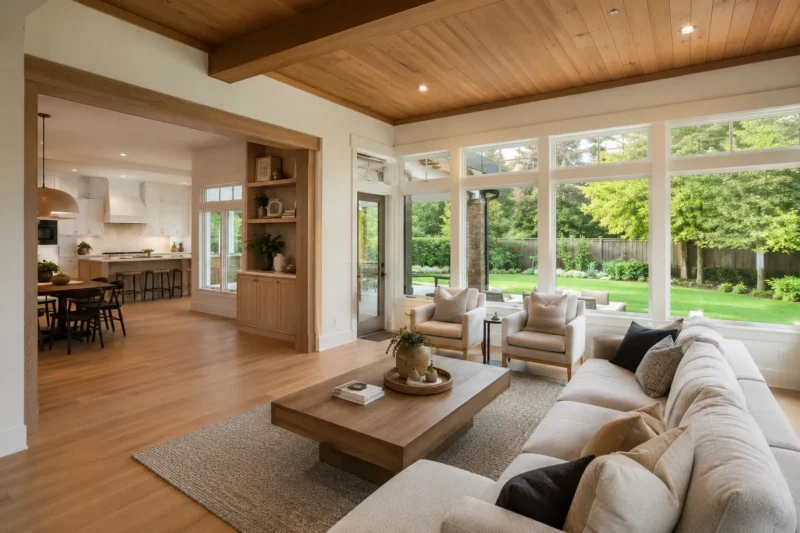
Not every addition improves the long-term value of a property in proportion to its cost. Some additions are clearly right for the home. Others over-improve relative to the neighbourhood, change the character of the home in ways that reduce its appeal, or address a temporary lifestyle need that may not exist in five years.
Questions worth asking:
Is the scale of the addition proportionate to the lot and the home?
Does the design of the addition match the architectural character of the existing home?
Is the neighbourhood one where the investment will be reflected in property value, or is it one where every home on the street is roughly the same size and adding a large addition pushes your property well above comparable sales?
Are your reasons for the addition long-term (growing family, aging parent, permanent home office need) or short-term (a need that will pass)?
These are not reasons not to build. They are questions that help you make a decision you will be comfortable with in 10 years, not just comfortable with when you sign the contract.
QUESTION 8: DO I HAVE THE RIGHT BUILDER FOR THIS PROJECT?
Not every contractor who does renovation work is the right fit for a home addition. Additions require coordination across structural, mechanical, and finishing trades, management of permit timelines, and the ability to integrate new construction cleanly with the existing home.
Before choosing a builder for an addition project in Abbotsford, confirm:
The builder holds a Residential Builder Licence from BC Housing. You can verify this at bchousing.org.
The builder is Renomark certified, which confirms they operate with written contracts, carry proper liability and WorkSafeBC insurance, and meet a professional code of conduct.
The builder has specific experience with addition projects comparable to your scope, not just general renovation experience.
The person who will be on site managing the project daily is someone you have met and are comfortable with.
For a full guide to evaluating and choosing a builder in Abbotsford, see our guide on what to look for when hiring a home builder in the Fraser Valley.
Robson Home Builders has been building home additions across Abbotsford and the Fraser Valley for over 20 years. Nick Robson is personally on site for every project. We are Renomark certified, carry Pacific Home Warranty, and hold a current Residential Builder Licence through BC Housing.
If you are planning a home addition in Abbotsford and want to talk through your project before committing to a direction, contact us to schedule a free consultation.
Frequently asked questions
What permits are required for a home addition in Abbotsford?
All home additions in Abbotsford require a building permit from the City of Abbotsford Building Services. Depending on scope, separate permits may also be required for electrical, plumbing, and HVAC work. If the addition creates a new dwelling unit, a development permit may also be required. Building without a permit creates legal and insurance complications that can be very costly to resolve.
How far in advance should I start planning a home addition in Abbotsford?
Most homeowners underestimate the preconstruction lead time. Design, engineering, energy modelling, and material selections typically take 2 to 4 months before a permit application can even be submitted. Permit processing at the City of Abbotsford takes an additional 2 to 6 weeks. For a project you want to start construction on in the spring, active planning should begin the previous fall.
Can I stay in my home during a home addition project?
For most single-storey rear or side additions, yes. The construction zone is typically separated from the living area during active work. For second-storey additions, the phase when the roof is removed creates a period where the home is not liveable. Most families plan 4 to 8 weeks of temporary accommodation for this stage. Your builder should be able to give you a specific timeline for any phase that would require you to be out of the house.
What hidden costs do most addition quotes not include?
The most common costs that appear after a quote is signed include electrical panel upgrades required to support the new addition, structural reinforcement discovered after demolition begins, plumbing updates triggered by connecting new plumbing to old systems, energy compliance upgrades to the existing building envelope, permit fees, design and engineering fees, temporary accommodation costs, and landscaping restoration.
How do I know if my lot has enough room for an addition?
Check the zoning designation of your property in the City of Abbotsford Zoning Bylaw and confirm the applicable lot coverage maximums and setback distances. Most residential zones in Abbotsford allow 40 to 55 percent total lot coverage with minimum setbacks from side and rear property lines. An experienced Abbotsford builder can review these parameters for your specific address during a preconstruction consultation.
Does a home addition require approval from BC Hydro or other utilities?
A home addition that increases the electrical load of the home significantly may require an electrical service upgrade, which involves BC Hydro in addition to the City of Abbotsford electrical permit process. An addition that adds a new dwelling unit may require separate utility meters for water and electricity. Your builder and the trades involved in your project should identify any utility service requirements during the planning stage.